

How to Avoid Window Repair Stains
It's important that you keep an eye on and maintain your stained glass window frequently regardless of whether it's an old, historic one or a brand new one. There could be significant damage that requires professional repair.
Some of these repairs are very delicate and require considerable expertise to complete. If you attempt to fix them yourself, you can also expose you to health risk.
Cracked Glass
Cracked glass is a depressing eye-sore but it can be costly. Glass that is cracked can cause heat and cool air from your home to escape which can increase your energy bills. Rain can also pass through and cause water damage.
It can be tempting to repair the crack, but it's typically better to replace the entire window. This way, you can be sure that the window has been installed correctly.
When the window is replaced it will be more difficult to break the glass once more, which means that you can save money on your energy bills and prevent future issues. The most common and effective method to repair a crack is with the use of a two-part epoxy.
Epoxy is a thermosetting product which means that it will create a strong, solid seal around the crack. It also has the benefit of masking the presence of the crack.
Mix the two-part epoxy in accordance with the instructions of the manufacturer. After that, apply it to the window. The epoxy will dry transparently and make the crack appear like it was never there.
Applying a two-part epoxy is an effective option to avoid the need for replacement windows However, it requires some effort and expertise on your part. It may take a few attempts to seal the crack appropriately and thoroughly.
Masking tape or another adhesive can be used temporarily to repair cracks. They can be used for both commercial and residential windows. Tape should be clear so it doesn't detract from the window frame or glass.
This can be a useful cheap, cost-effective, and time-saving solution for homeowners who don't want invest too much in window repairs. These products can be found in any hardware shop.
You must remove any dirt and oil from the crack and the surrounding area prior to applying the tape or adhesive. This will ensure that the adhesive or tape is well-integrated.
Masking tape can be a wonderful temporary solution for most cracks, however it can only keep the crack in place for a set amount of time. If you're dealing with more serious cracks, like stress or impact cracks, you may need to double-up on the tape and extend it a few inches further than the crack on both sides.
Stained Glass
Stained glass is an art of art that makes use of colored glass to create architectural pieces. This could include windows, doors and various other kinds. Stained glass can be an art that is difficult to duplicate because it's intricate and complex. It also requires a lot of patience and skill, and it is often more expensive to make a new piece than to restore an old one.
Stained glass is an art form that has been around for thousands years. It is believed that it originated in the Middle East as a way to bring light into buildings but keep them completely enclose. There is evidence of stained glass being used in the Egyptians and Romans before Christianity began spreading to Europe however it became widely used in the fourth century as churches began to appear.
There are a variety of techniques that can be employed to create stained glass windows, and each one has its own unique characteristics. Typically, these windows are designed to let in as much light as is possible, but they also have the potential to be able to tell stories and trigger emotions.
The earliest stained glass windows were simple glass shapes that were inserted into holes in walls, but as techniques and skills developed they began to become full architectural elements. Some of these designs are very complex, with a variety of glass that work together in a design to create something distinctive.
Artists employ a variety colored glass pieces to create stained glass windows. They put the glass into a "H" channel-shaped strip of lead. This is known as a came. After the cames are put in place, they're cemented and then soldered to ensure an extremely strong bond.
When the stained glass is completed, it has to be cleaned to remove any residue from the soldering and cementing processes. This is a time-consuming and laborious task, but is essential to maintain the integrity of the stained glass window.
In addition to cleaning, you may require repairs to cracks or other damage in your stained glass window. Repairs are typically required for stained glass windows due to age or deterioration, or water damage.
Muntins & Mullions
If you live in a house with windows you're likely to find your window frames are muntins and mullions. These are classic and timeless feature that can add character to your home.
Originally, these pieces of framing were used as structural supports in early buildings with large windows. They were designed to spread the weight vertically instead of horizontally, which kept the walls on the outside from breaking the glass and collapsing.
Today, muntins or mullions are commonly found in any window style. They provide your home with the traditional and timeless look especially when they are placed on Craftsman-style houses, Victorian style homes, historic houses, or even classic/modern farms.
They also add a decorative element to the overall look of your window frame, and make it stand out from the other windows in the neighborhood. Additionally, they provide a more secure seal between the frame and glass panes, making your windows much more resistant to being damaged.
If you have rotted or broken mullions and muntins, your windows may need some minor repairs. You can usually take off the old adhesive and replace the damaged parts with new putty. If your windows have double-panes, they may need more extensive work.
The majority of window repair stained can be repaired by an experienced professional. A reliable and experienced window repair expert can replace your old muntins or mullions with new ones.
There are door fitting staines of mullions or muntins. It's important to know the distinctions to pick the one that is suitable for your window frames. Multins and mullions can constructed from a variety of materials including metal and wood.
Another issue that can cause problems for your mullions and muntins is water getting into your home. This could be due to a leaking drip cap.
The best way to prevent this is to ensure that the cap is in good order and doesn't have any scratches or holes. You can take the drip cap from the window if you have to, and replace it with an entirely new one.
Sash Leaks
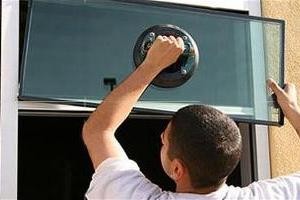
There are a variety of various reasons why a windows sash may leak. There are many reasons for why a window's sash might leak. Certain leaks in the sash are easily fixed, while others will require the assistance of a professional to resolve the issue.
Some sash leaks can be caused by rotting and the corrosion of the frame. If the sash's wood has been exposed to moisture for a prolonged time, it will absorb the moisture from the air and begin to decay or rot. Rotting can affect the sash's balance which is the mechanism used to keep the sash in place.
In most cases, the balance of the sash will need to be replaced. It can be a costly repair, but it's one that should be carried out when the sash has begun to decay. The balance is typically spring-loaded, and is simple to replace.
Another sash leak that is common is the result of an issue with the seal. This can happen in windows made of vinyl, as well like aluminum and wood windows. The problem is when the interior of windows is humid and warm which causes condensation to form on the inside of the glass. The condensation eventually flows across the sides of each pane, leading to a leak.
A simple solution is available to fix a sash that leaks because of an issue with the seal. It involves using a sealing gun to fill in the gap between the frame and the sash. Sealant should completely cover the gap. But, it must be allowed to dry prior closing the sash.
To make sure the new sealant is fully efficient, it must be cleaned thoroughly prior to when closing the window. Examine the gap to make sure that it's completely sealed.
You can also put weatherstripping at the bottom of the sash. This will effectively block drafts and limit sash leaks.
Felt stripping or foam tape is an affordable method of adding weatherstripping. They are available in a variety of sizes and can be put in place quickly using staplers or finishing nails. A more expensive, but durable option is the vinyl-tube weatherstripping, which can be put in with screw-in fasteners.